
Empowering Afghan Women in Austria
Afghan women in Austria often find themselves caught between multiple realities. Many bear responsibility for their families, support relatives, learn a new language, navigate a new educational system, and at the same time try to establish themselves professionally. In doing so, they face not only personal challenges but also structural barriers that hinder their opportunities for education, employment, and social participation.
A recent post on the A&W Blog by Maryam Singh, Vera Glassner, and Gawhar Musleh addresses precisely these realities of life. The article shows that Afghan women in Austria cannot be reduced to a single stereotype. They are mothers, daughters, schoolgirls, college students, workers, activists, and bridge-builders. Many bring valuable experience, multilingualism, high motivation, and great dedication to the table. At the same time, their journeys are often marked by uncertain residency and living situations, a lack of recognition of their qualifications, caregiving responsibilities, discrimination, and limited access to appropriate support services.
One thing becomes particularly clear: integration cannot be achieved through individual effort alone. Anyone who wants to enable education, employment, and self-determination must also consider the broader context. This includes affordable and accessible educational opportunities, qualified counseling, child care, smooth transitions into the labor market, and a social climate that does not reduce women to their country of origin or refugee status.
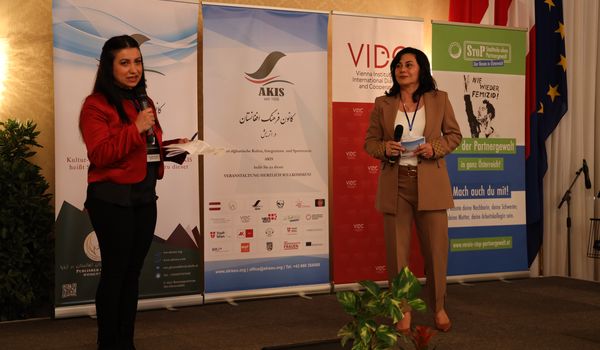
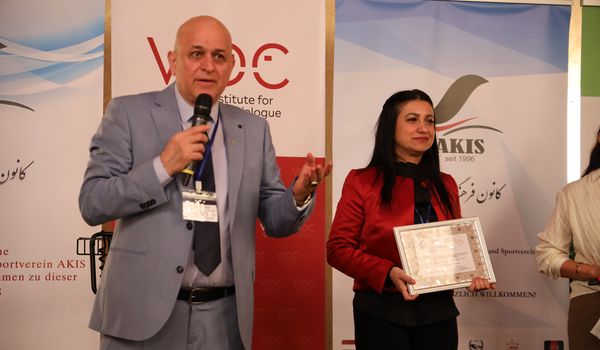
This article follows up on the conference “Women’s Solidarity for Education and Self-Determination in Afghanistan,” which took place on April 10, 2026, at Vienna City Hall. The event highlighted how closely the situation of women in Afghanistan is linked to the experiences of the Afghan diaspora. While women and girls in Afghanistan suffer from severe restrictions and their access to education and public participation is systematically hindered or prevented, Afghan women in Austria and Europe are working to make these voices heard.
This is not just a matter of solidarity with women in Afghanistan, but also of how women with Afghan roots can live self-determined lives and participate fully here in Austria. Education is a key factor in this. It opens up career opportunities, fosters independence, and creates opportunities for women to actively participate in society. At the same time, there is a need for safe spaces, opportunities for dialogue, and organizations that support, connect, and empower women.
Every day, Afghan women demonstrate their potential. Many are active in organizations, support other women, bridge cultural divides, take on responsibilities within their families and communities, and advocate for the rights of girls and women. This commitment deserves visibility and recognition.
Our view of Afghan women in Austria should therefore not focus solely on the obstacles they face. It is important to adopt a perspective that both identifies existing problems and takes opportunities seriously. If structural barriers are removed, Afghan women will be able to contribute their skills even more fully—in education, the workforce, civil society, and community life.
This is a benefit for an open and democratic society. After all, participation doesn’t just mean arriving somewhere. Participation means being able to help shape things.
Briefly summarized
Links & advice
Sources
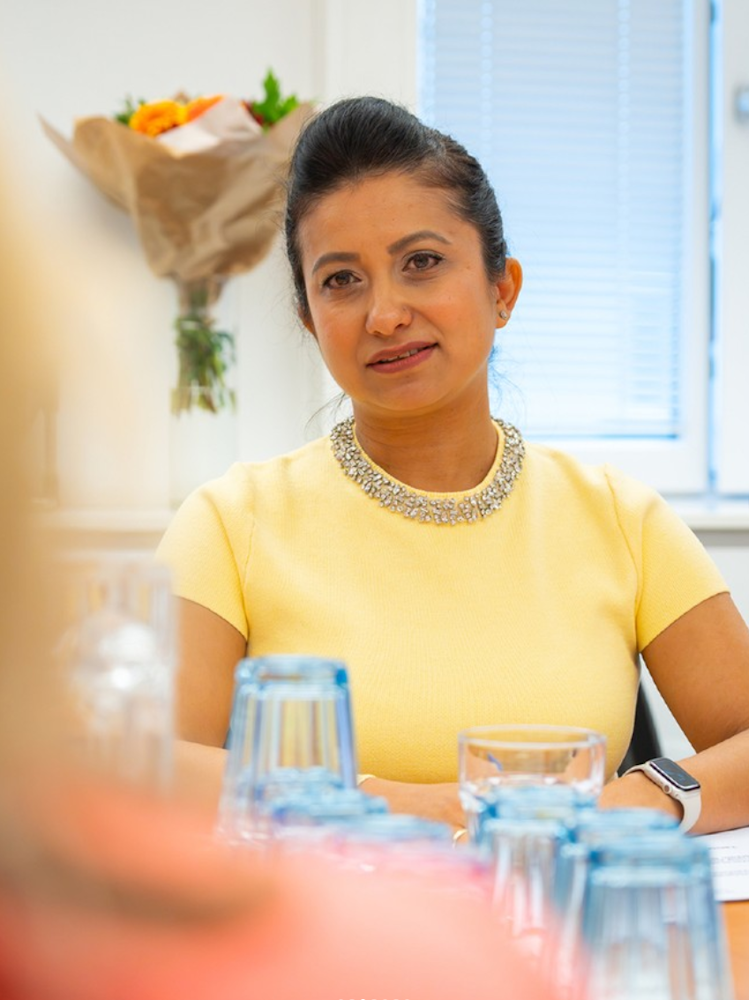
ist im Beratungszentrum tätig und leitet die Erstinformationsveranstaltungen zum Erwerb der österreichischen Staatsbürgerschaft.
Auf der Hochschule Campus Wien ist sie Lehrende für Asyl & Migration.

