
The ÖVP, SPÖ and NEOS are currently discussing a reform of the Citizenship Act (StbG), which is intended to simplify administrative procedures – but at the same time tighten the requirements for acquiring citizenship: The focus is on the planned increase in the required German language skills to language level B2. Genuine integration requires fair and socially balanced access to citizenship instead of new hurdles.
Democratic deficit and legal barriers prevent belonging
In Austria, political participation is almost exclusively linked to citizenship. In cities like Vienna, many working people – around 29% of employees and 68% of workers in 2024 – are without an Austrian passport and therefore without the right to vote.
The planned B2 requirement would deepen this democratic gap, weaken participation and social identification and increase social inequalities. There is also a risk that such bureaucratic hurdles could not only promote political alienation,
but also have negative consequences for the well-being and mental health of those affected.
Initial situation – current legal situation
Currently, proof of German language skills at level B1 (e.g. through Module 2 of the Integration Agreement with the Austrian Integration Fund, ÖIF) is sufficient for the granting of Austrian citizenship after ten years of residence. People with B2 level can become citizens after just 6 years.
Planned change: Introduction of language level B2
The planned increase to B2 would mean a clear break in the system: The previous link between integration measures and naturalization would no longer exist. It is also unclear whether the current option of accelerated naturalization for “special integration achievements” will be retained.
Constitutional and human rights issues
The stricter language requirement raises significant legal and human rights issues for a number of reasons:
- People with physical or mental impairments (e.g. hearing impairment) would hardly have the opportunity to take the B2 exam in the current system – there are no barrier-free B2 exams.
- The recognized sign language (ÖGS) is not yet recognized as equivalent proof – a requirement for B2 without an alternative would disadvantage people with hearing impairments and would be incompatible with principles of equality.
- Without exceptions or alternative evidence (e.g. sign language skills or documented integration achievements), the reform would effectively exclude many people who have been integrated and employed for many years from acquiring citizenship – despite existing social integration.
Integration policy assessment & social impact
From an integration policy perspective, raising the level to B2 makes little sense. Young people with a migration background are an important part of the future skilled workforce, especially in sectors with labor shortages. In vocational training, apprentices generally reach
The tightening would also have a paradoxical effect: a formal language level would be required that many people without a migration background do not meet. The problem is not a lack of language skills, but the inability to obtain a
International studies show that B1 is sufficient for functional integration in everyday life, while B2 primarily reflects academicized written language skills that are not required in most professions. Professional integration, social engagement and a stable employment history are much stronger indicators of successful participation than the difference between B1 and B2.
Social impact of the B2 requirement
The increase to B2 primarily affects people with a refugee or migrant background, who often do not have the opportunity to reach this language level due to war, trauma or lack of access to education. For many, B2 is almost impossible to achieve under real-life conditions. The hurdles also affect their children: although they could theoretically submit an application themselves, the same structural barriers – language, income, length of stay – often prevent the next generation from ever becoming citizens.
Conclusio
Although the planned reform will simplify procedures in a meaningful way, the increase to B2 creates massive new hurdles. Without exceptions or barrier-free alternatives, particularly vulnerable groups – people with disabilities, refugees or those with little access to education – would effectively be excluded from acquiring citizenship. Even people who have been integrated and working for many years would be affected. This threatens to violate the principle of equality, the UN Convention on the Rights of Persons with Disabilities and the ECHR.
Briefly summarized
Links & advice
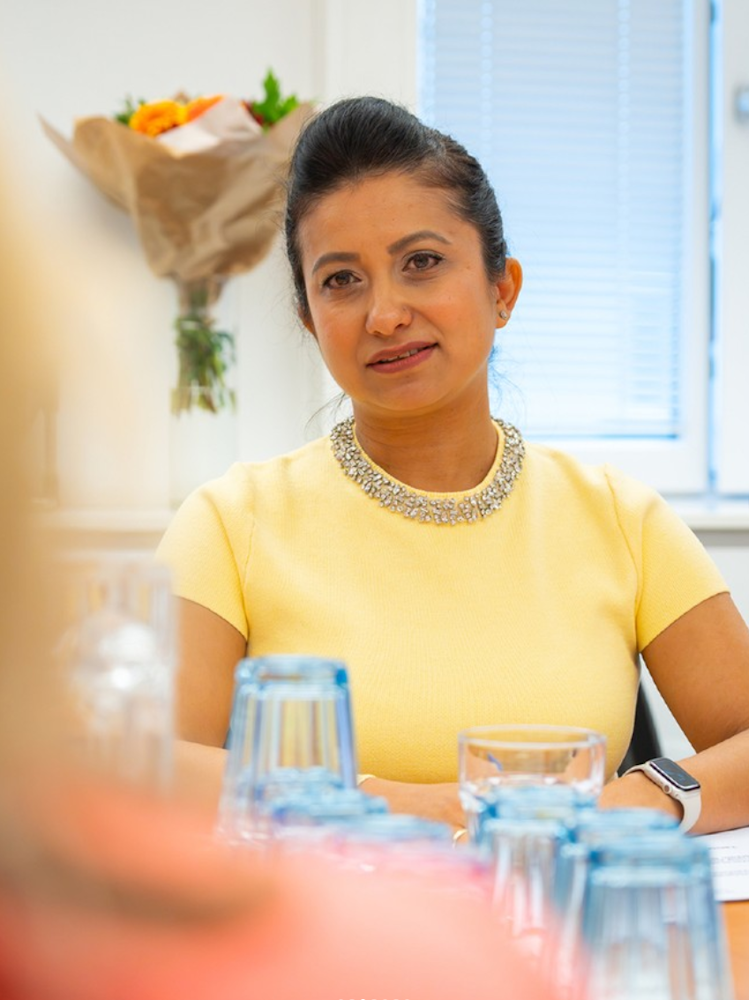
ist im Beratungszentrum tätig und leitet die Erstinformationsveranstaltungen zum Erwerb der österreichischen Staatsbürgerschaft.
Auf der Hochschule Campus Wien ist sie Lehrende für Asyl & Migration.

